Get Fast Support From Our Sales Team
Get Fast Support From Our Sales Team
Need product information, quotation, samples, or delivery details? Our sales specialists will help you select the right TFT, OLED, AMOLED, or custom display solution.

The tags overlap. An LCD can use both IPS and TFT, an AMOLED screen is a kind of OLED, and a Hisense TV can lug both ULED and QLED branding since one term describes a bundle of photo features and the various other recognizes exactly how the screen creates color. What can you actually gain from the badge on the box?
I begin with two inquiries. Where does the light originated from, and what regulates each pixel?
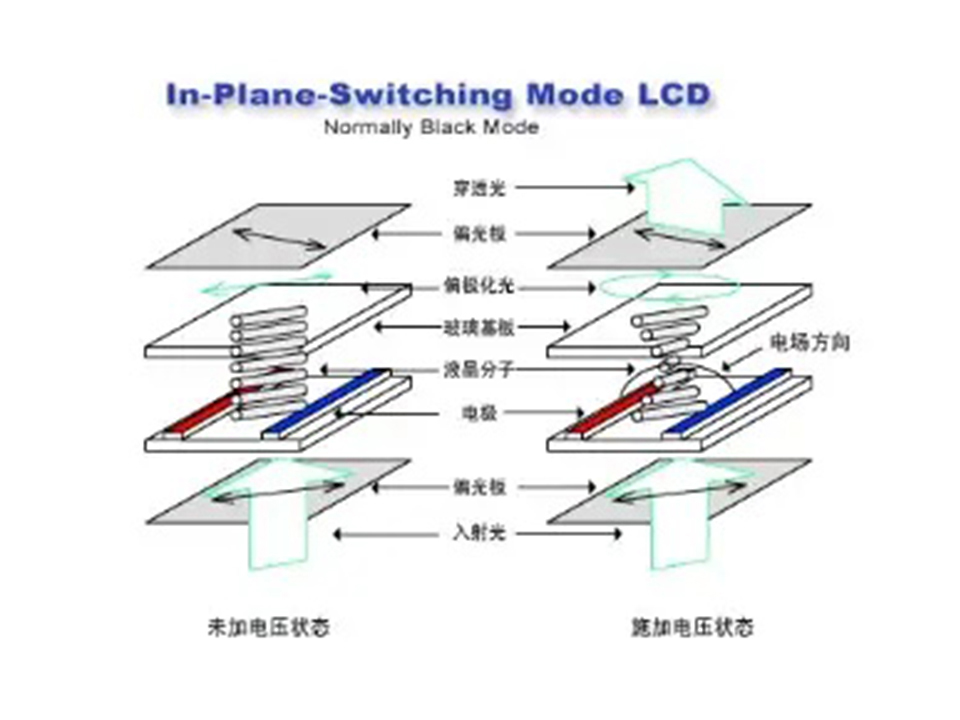
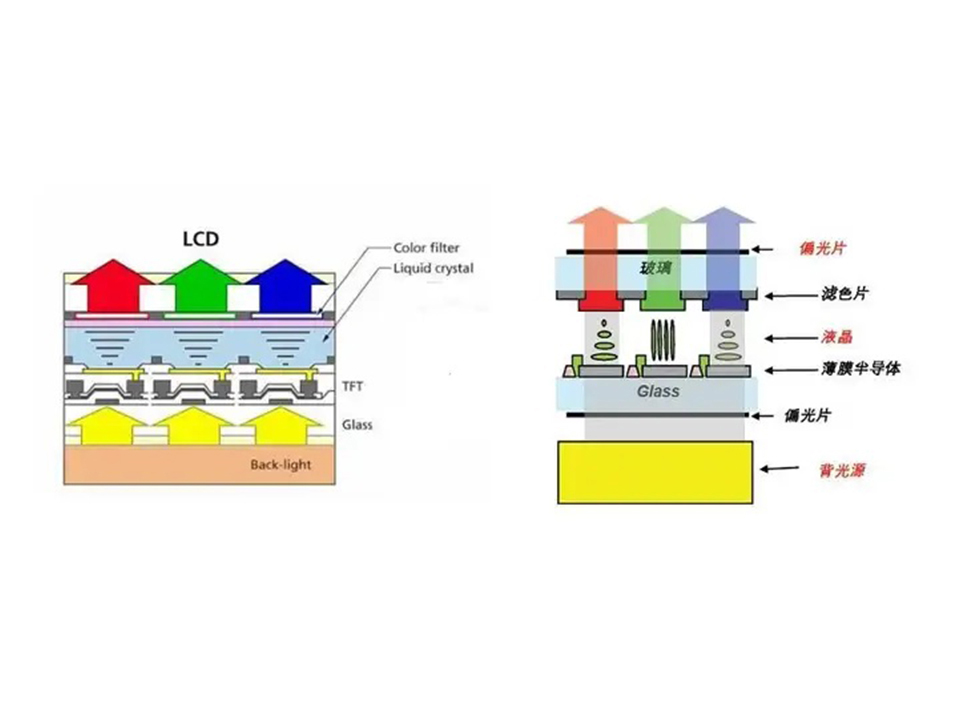
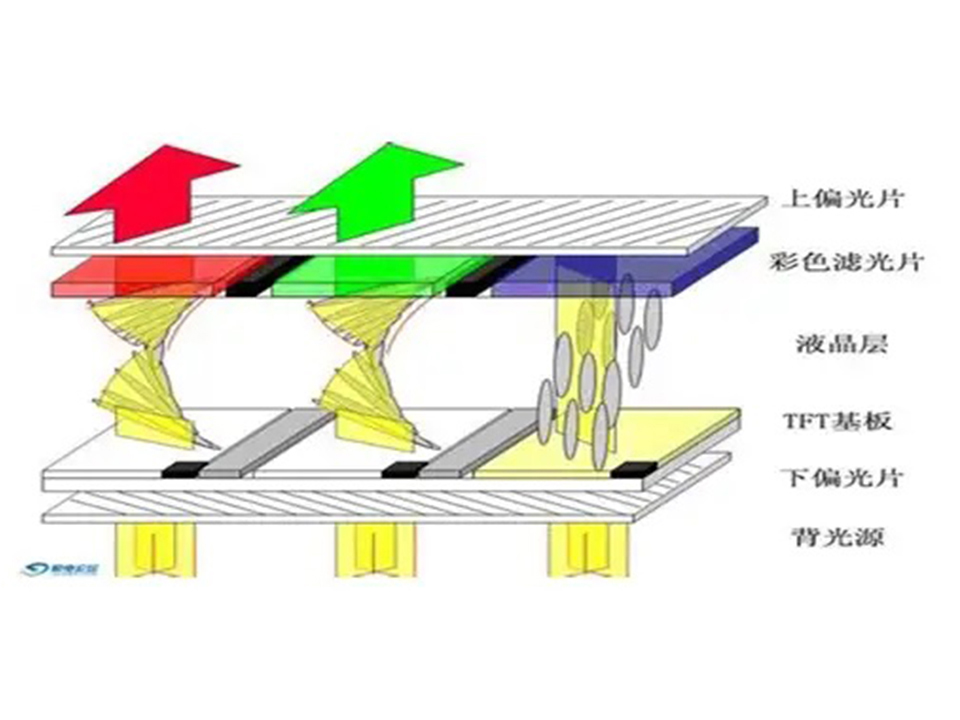
LCD mean liquid crystal screen. In a typical modern-day shade LCD, voltage alters the alignment of the fluid crystals, regulating just how much backlight passes through the polarizers and color filters at each subpixel. The “LED TV” label ordinarily defines an LCD with an LED backlight.
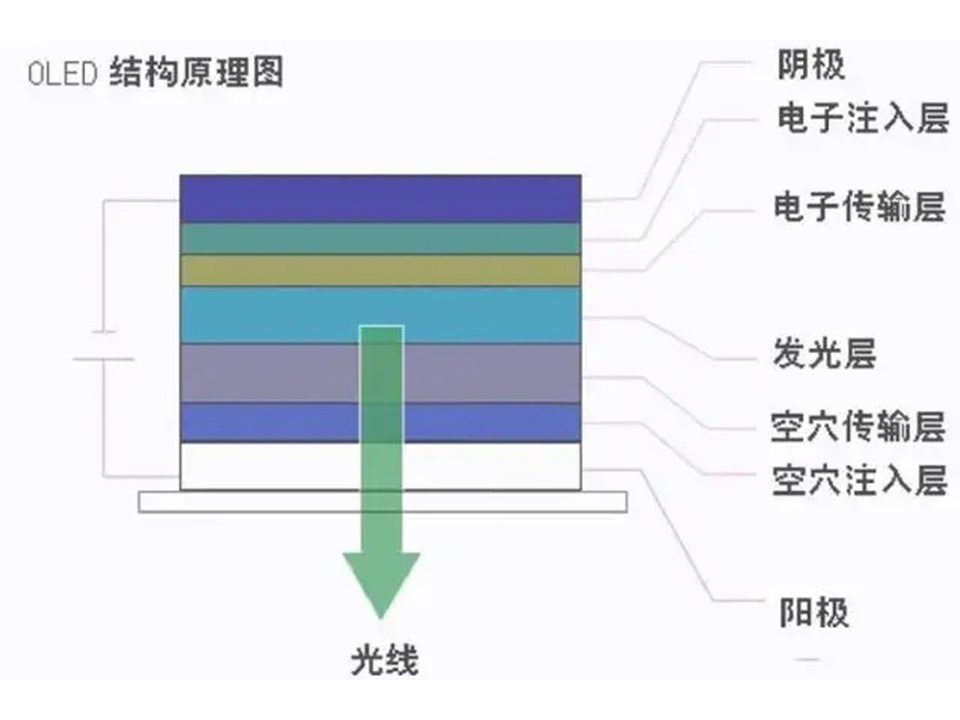
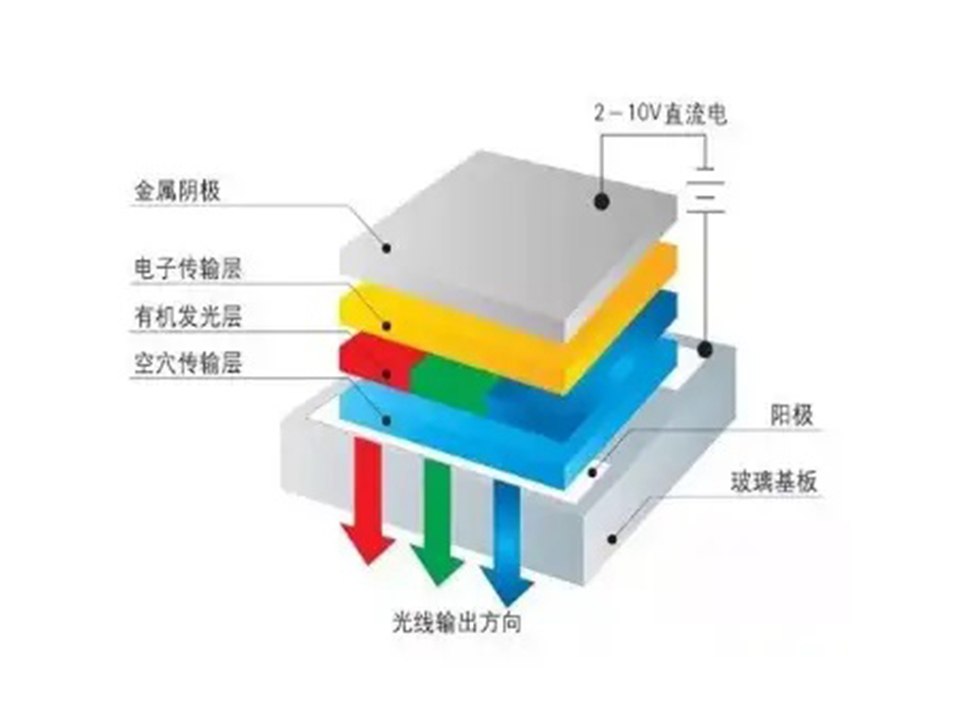
OLED represent organic light-emitting diode. Organic semiconductor layers emit light when driven electrically, so an OLED panel can shut off specific pixels while their neighbors remain bright. Believe white credit histories surrendering a black screen.
Edge-lit LCDs feed light right into an overview from the sides. Full-array local dimming uses independently controlled groups of LEDs behind the screen. Mini-LED backlights use smaller LEDs, which can permit finer control if the backlight has actually even more individually driven areas. When a bright caption and the dark location around it share a zone, you may see a halo called growing.
In July 2024, RTINGS reported noticeable harmony issues in 7 of 11 edge-lit LCD Televisions (64%) and 14 of 71 direct-lit or full-array local-dimming LCD TVs (20%) in its increased longevity test. The collections went for maximum illumination and underwent everyday on-off cycles. I would certainly use those outcomes to ask how a backlight manages heat throughout long shifts. The percents explain the devices tested under those conditions.
TFT mean thin-film transistor. In a TFT LCD, transistors attend to subpixels in an energetic matrix. IPS, or in-plane switching, describes how liquid crystals turn mainly alongside the panel. IPS LCDs typically hold color and tone much better when viewed from the side. Off-axis glow can still show up in dark scenes.
So what does a seller imply by “IPS vs TFT LCD”? I would certainly request the panel part numbers. A TFT LCD can use IPS, upright placement (VA), or turned nematic (TN). A viewing-angle figure is better when the specification sheet provides the contrast threshold utilized to measure it.
SLCD, or Super LCD, is a label connected with older HTC phones and often with a bonded display pile that decreases internal representations by removing the air void under the cover glass. TechSpot identified the HTC One (M8)’s 5-inch, 1920 × 1080 Super LCD 3 display as an IPS Pro TFT LCD. All three labels put on one screen.
AMOLED ways active-matrix natural light-emitting diode. Transistors and storage space capacitors control the OLED subpixels in between refreshes. PMOLED, or passive-matrix OLED, lights pixels at the intersections of scanned rows and columns, a design matched to small status displays.
Range matters below. In its March 2025 tally of 2024 mobile phone display deliveries, Omdia counted 784 million AMOLED panels and 761 million TFT LCD panels. AMOLED made up 51% of the total amount. That determines need for mobile phone panels. A four-line instrument readout has a various job.
The difference likewise shows up in the fixing supply chain. The United State International Profession Commission opened investigation 337-TA-1351 in January 2023 after Samsung Display submitted a problem worrying particular active-matrix OLED panels and modules for smart phones. The Commission released a consent-order notice entailing 2 respondents in April 2024 and closed the examination in March 2025 with a finding of no Section 337 offense. For fixing buyers, the exact substitute component and its provenance deserve verifying.
On the embedded side, the 2.42-inch 128 × 64 PMOLED component HG-0242-12864M03 is one instance. The five-pin 2.42-inch SSD1309 I ² C OLED module HG-0242-12864M01 has the very same diagonal and pixel count. Prior to treating them as compatible, validate the pinout, reasoning degrees, reset behavior, and board revision.
QLED in customer television listings typically means an LED-backlit LCD with quantum dots. In an usual style, blue LEDs excite quantum dots that convert several of that light right into narrow bands of red and environment-friendly. The LCD still regulates how much light travels through each subpixel.
ULED, short for Ultra LED, is Hisense’s branding for a collection of picture modern technologies. Functions vary by design and can consist of Mini-LED backlighting and local dimming. Hisense’s 2024 ULED X schedule included the 110UX, which it additionally called making use of QLED quantum-dot technology. If a contrast graph places ULED and QLED in equally exclusive columns, that one design breaks the graph.
QD-OLED uses a blue OLED light source. Quantum dots transform a few of that light to red and environment-friendly, and the OLED design supplies pixel-level control. If a sales page claims just “quantum display screen,” I ‘d search for the model number.
For dark-room film, I ‘d check darkness detail and brilliant captions. On a local-dimming LCD, enjoy a tiny highlight cross a black background. How quickly the areas respond can matter as much as the amount of there are. For daytime sporting activities, I ‘d examine reflections and grey uniformity during a cam frying pan. Peak luminosity on a 10% HDR test window and continual luminance on a complete white field explain various problems. Ask for both.
On a workstation, test tiny text at native resolution. Subpixel format can affect just how it renders. On OLED, continuously showing the exact same intense toolbar can mature that location erratically and leave a lasting imprint. On an LCD, inspect uniformity and off-axis glow from your seat.
For a control board, start with the lengthiest label and the offered placing room. The 3.12-inch 256 × 64 SSD1322 OLED module HG-312-25664M01 gives you twice the horizontal pixel matter of a 128 × 64 component and the same variety of rows. Check the energetic location and mounting illustration before outlining the enclosure. For a control panel that stays on all change, procedure illumination and present draw with the real display web content at operating temperature level. The variety of lit pixels and the drive settings affect OLED power intake.
| Tag | What it determines | What to confirm on the specific version |
|---|---|---|
| LCD | Liquid crystals regulate light | Backlight, comparison, uniformity |
| OLED | Organic layers produce light at pixel degree | Brightness, message making, burn-in performance |
| IPS | In-plane changing LCD mode | Off-axis shade, glow, indigenous contrast |
| TFT | Thin-film transistor backplane | LCD setting, where appropriate |
| SLCD | Super LCD label used by HTC | Optical stack and substitute fit |
| AMOLED | Active-matrix OLED | Brightness and module compatibility |
| ULED | Hisense picture-technology branding | Backlight, color, dimming |
| QLED | Quantum-dot LCD in retail TV use | Color, backlight, growing |
An IPS LCD is typically a TFT LCD whose fluid crystals switch over mostly alongside the panel, so the meaningful contrast is between IPS and an additional LCD setting, such as TN or VA, with checking out angles, indigenous contrast, and reaction times gauged on the actual products.
An SLCD screen is a Super LCD display, a label related to HTC phones that commonly featured a bonded display stack to reduce inner representations, with the HTC One (M8) offering a concrete example of a Super LCD 3 display built on IPS TFT LCD technology.
AMOLED is an OLED display screen that makes use of an active matrix of transistors to drive its subpixels, a style fit to dense screens in phones and various other gadgets, while passive-matrix OLED scans rows and columns and can be a practical option for portable, lower-resolution readouts with easy graphics.
A ULED TV can additionally be a QLED TV when the Hisense picture-feature bundle consists of a quantum-dot color layer in an LED-backlit LCD, so the same design can lug both labels while its backlight layout, lowering actions, and determined image high quality depend upon the particular model.
The most effective screen type for photo top quality relies on the area and material, with OLED offering accurate pixel-level comparison for dark scenes and a well-tested Mini-LED LCD usually making sense for bright rooms or large brilliant images where continual luminance and representation handling carry even more weight.
I validated the module specifications in Hicenda’s main brochure. The linked WordPress listings still need a live check.
Send out Hicenda your placing measurements, required pixel count, host interface, supply and reasoning voltages, and a sample screen format. Request the existing datasheet and pinout for the specific board revision, then evaluate an example with your manufacturing firmware before positioning a quantity order.
Leave Your Comments