
LCD Display Options for Prototypes and Small Batches
Compare standard, modified, and custom LCD modules for prototypes, pilot builds, and low-volume orders. Request a quote with your quantities, target dates, and design requirements for each build stage.
LCD Modules for Prototypes, Pilot Builds, and Small Batches
Source by build stage. A prototype sample helps you check enclosure fit, bring up the display on your host board, and test readability. Use a pilot build to validate installation and test procedures across multiple units. For ongoing small batches, confirm that the approved configuration can be reordered in the quantities and at the intervals you need.
Start with the information the screen needs to show. Evaluate a TFT LCD display for color graphics or a graphical user interface. Consider a monochrome graphic LCD for changing text and status icons, or a segment display for fixed symbols and digits.
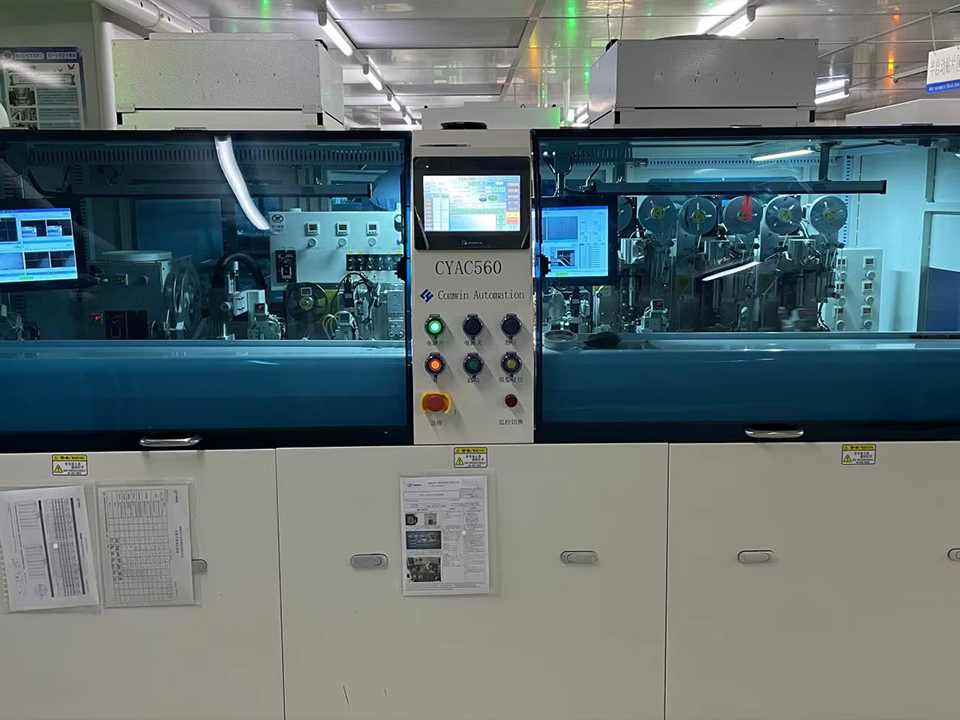
Standard, Modified, or Custom LCD?
Start with an off-the-shelf part if it meets your mechanical, electrical, and readability requirements. If a specific constraint blocks adoption, identify the smallest change that would make the part usable. Evaluate a fully custom LCD display when the requirements call for a new base design.
| Sourcing path | Fit and integration | What to confirm |
|---|---|---|
| Standard | Use an existing part and design around its outline and connection requirements. | Sample stock, order minimum, and repeat availability for the exact part number. |
| Modified standard | Keep the base module and review a targeted change, such as a different flex exit. | Revised drawings, sample approval, and any setup charges or separate order minimum. |
| Fully custom | Specify a new design around requirements such as a nonstandard active area or glass outline. | Engineering and tooling charges, approval milestones, and minimum orders. |
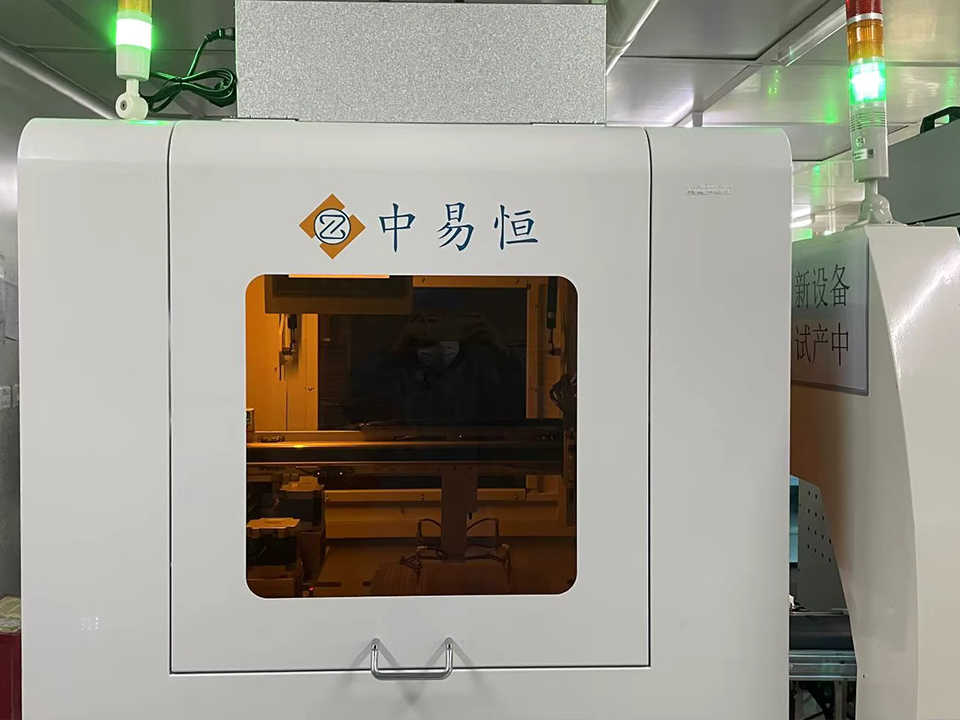
Will the Module Fit Your Enclosure and Electronics?
Check the mechanical drawing and datasheet for the exact part number before ordering a sample. Match the active area to the enclosure opening and check the module outline, thickness, mounting points, and cable bend clearance. Include any touch and cover layers in the stack height.
Confirm the resolution, host interface, signal timing, connector and pinout, supply voltages, and current requirements. Check the driver support and ask for the initialization sequence if your host needs it. For a replacement, share the current part number and drawing so any differences can be flagged before you commit.
What Can You Customize on the Display Assembly?
Identify the problem each change needs to solve so it can be reviewed against the base part. Ask which changes are available on that part and which require a feasibility review.
- Cable routing and connection. Share the board connector location and available clearance. Ask whether a different flex length, exit direction, or connector can fit the layout.
- Touch and front fit. If you need a touch panel, specify the input method and any glove or moisture requirements. Share the cover glass outline, thickness, and mounting details, and confirm how the touch controller connects to your host.
- Front surface. If testing reveals reflections, ask whether a surface treatment or bonding option can meet the requirement and fit the available stack height.
Sample Quantities, Minimum Orders, Tooling, and Lead Times
Ask for separate terms for each build stage. A sample quote gives you the cost and timing of evaluation. Pilot and repeat quotes tell you whether the configuration works at your order volumes.
- Evaluation samples. Confirm availability for the quantity and configuration you need. For a standard part, check stock for the exact configuration. For a modified or custom design, ask whether the first sample will match the planned pilot units and how revisions affect charges and dates.
- Pilot orders. Confirm the minimum order quantity and separate any one-time engineering or tooling charges from unit pricing. Ask when the lead time starts, such as after drawing sign-off or sample approval.
- Repeat batches. Confirm the minimum per release, reorder lead time, and how long the approved configuration is expected to remain available. Ask whether your forecast or order cadence affects those terms.
Backlight, Viewing Angle, and Optical Requirements
Specify where and how people will read the display. Describe the ambient light, any direct sunlight or overhead reflections, the mounting orientation, and where readers will stand or sit. If you have a brightness target, state whether to measure it on the bare panel or through the finished cover.
Test the sample from the expected reader positions with the intended cover in place. Check whether text and status indicators remain legible from the most oblique positions. If glare obscures text or indicators, document the lighting conditions and where reflections occur. Check backlight current at your target setting against the product’s power budget and thermal limits.
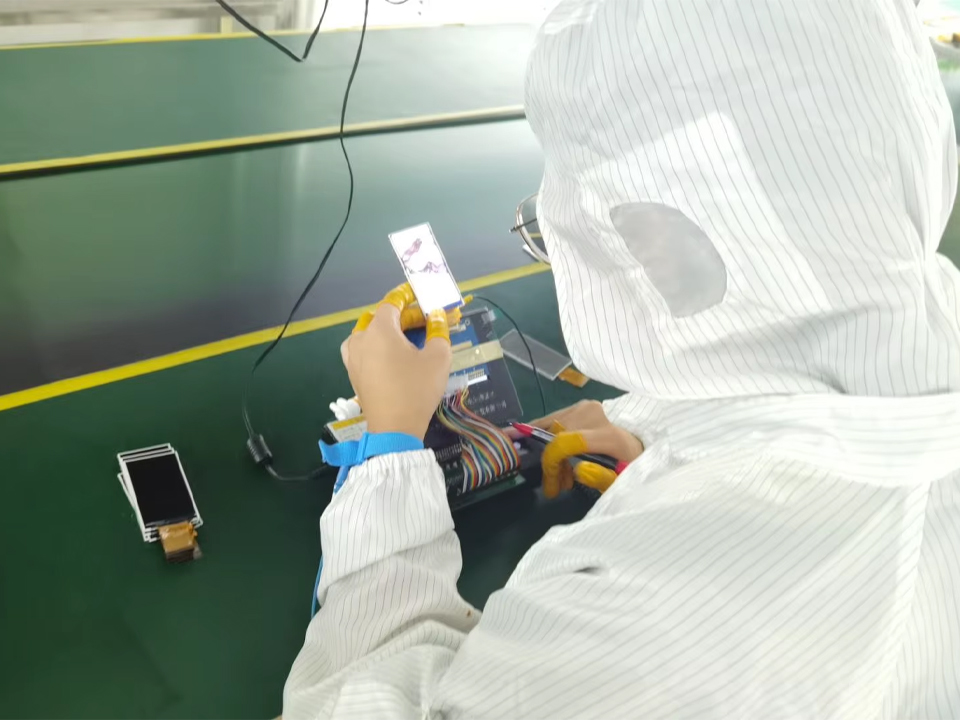
LCD Display FAQs for Prototypes and Small Batches
Compare LCD options for prototypes, pilot builds, and small batches. Check fit, sample availability, order minimums, and what to include in a quote request.
Can I order one LCD sample before committing to a batch?
Confirm whether the exact configuration is available as a single sample and whether it will match the version planned for your pilot build.
What is the minimum order quantity for a small batch?
Ask for separate minimums for samples, pilot orders, and repeat batches. Share your expected units per order and how often you plan to reorder.
When should I choose a standard, modified, or fully custom LCD?
Choose standard if an existing part fits. Consider a modified version if one change solves the fit or connection issue. Evaluate a fully custom option if you need an outline or active area unavailable in existing parts.
How do I check whether a module fits my enclosure and works with my board?
Use the drawing and datasheet for the exact part number. Check active area, thickness, mounting, and cable clearance. Compare the connector pinout, signal timing, voltages, and current requirements with your board.
How can I tell whether the display will be readable in use?
Test through the intended cover, under expected ambient light, and from typical reader positions. Check for glare and confirm that your brightness target fits the power budget.
Can I change the flex cable, connector, touch controls, or cover glass?
Feasibility depends on the base part. Share the board connector location, cable clearance, touch requirements, and front opening dimensions for review.
What one-time charges might apply to a modified or custom part?
Ask for engineering, setup, and tooling charges separately from unit pricing. Confirm whether sample revisions add costs.
What lead times should I confirm before ordering?
Request separate estimates for samples, pilot units, and reorders. Ask when each lead time starts and whether stock, drawing sign-off, tooling, or sample approval affects the date.
How can I keep repeat batches consistent with the approved sample?
Record the approved part number, drawing revision, and acceptance criteria. Ask how changes are communicated and whether you can approve a new sample before a substitute ships in a repeat order.
What to Include in a Prototype or Small-Batch Quote Request
Send the details that determine fit, price, and availability. Mark undecided requirements for discussion and flag the ones that are fixed.
- Application, build stage, sample quantity, pilot quantity, and expected repeat batch size and frequency
- Target delivery dates for evaluation and pilot units
- Active area, available enclosure space, and a drawing or current part number if available
- Host processor, host interface, and available power
- Touch needs, readability targets, mounting orientation, and ambient light
- Operating temperature range and any exposure to moisture, dust, or vibration