Get Fast Support From Our Sales Team
Get Fast Support From Our Sales Team
Need product information, quotation, samples, or delivery details? Our sales specialists will help you select the right TFT, OLED, AMOLED, or custom display solution.
Need product information, quotation, samples, or delivery details? Our sales specialists will help you select the right TFT, OLED, AMOLED, or custom display solution.

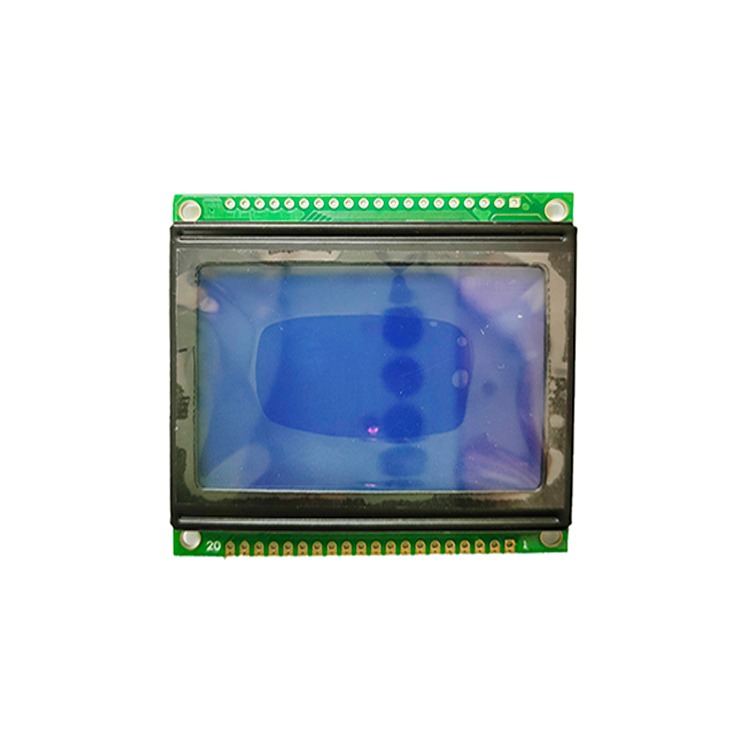
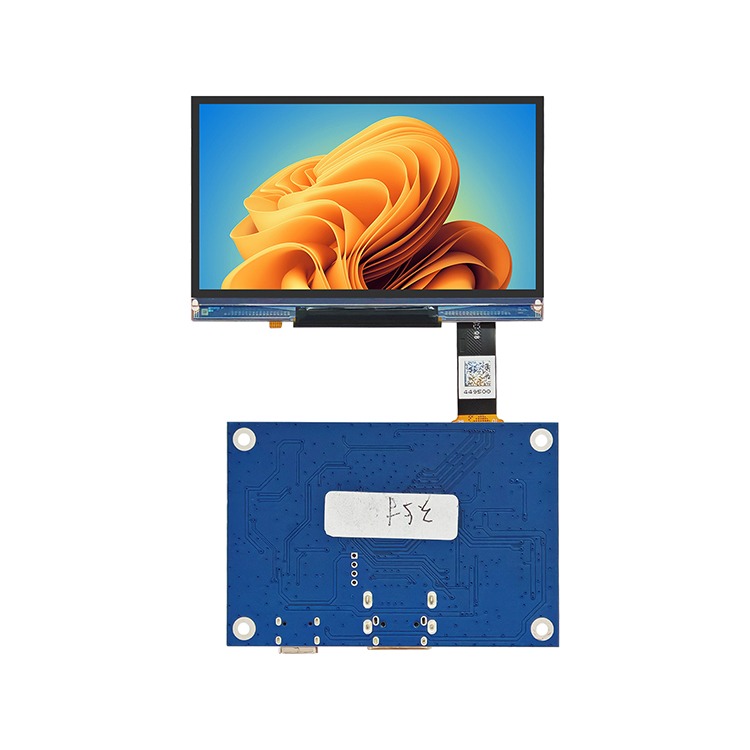
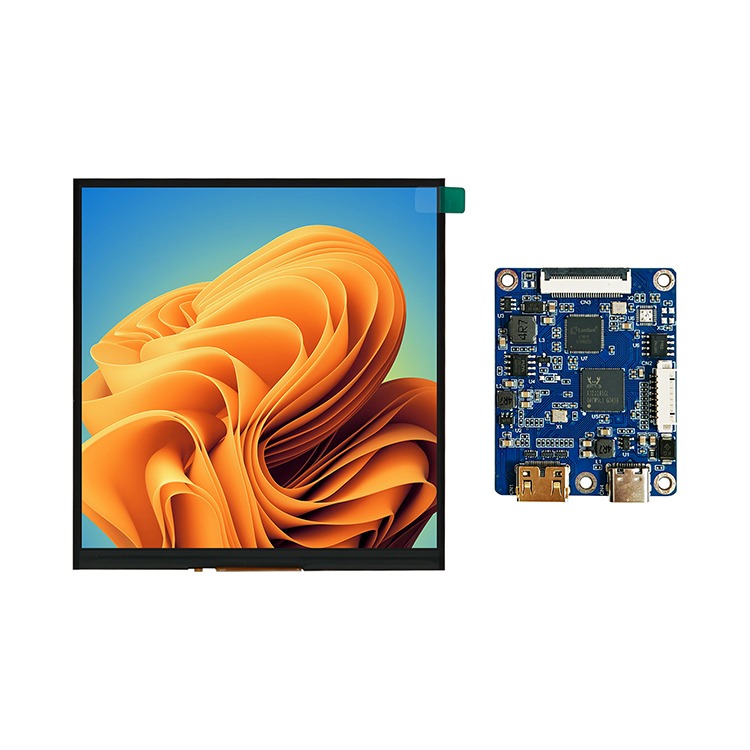
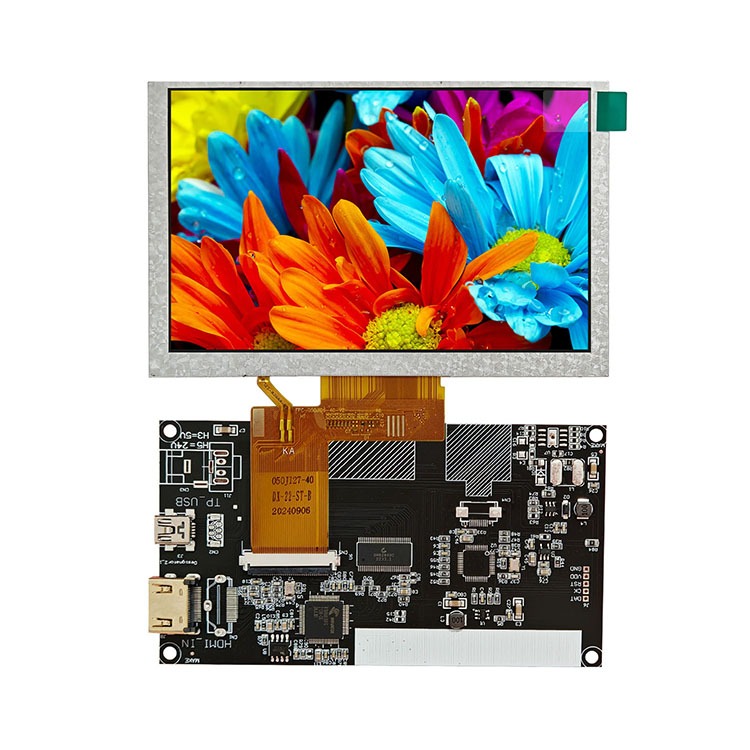
Industrial Equipment Displays are electronic screens integrated into machinery to present operating data, alarms, process status and control interfaces. Industrial TFT LCD displays support equipment monitoring and operator interaction, with model-specific options for brightness, temperature range, touch input and connectivity to match factory environments and machine integration requirements.
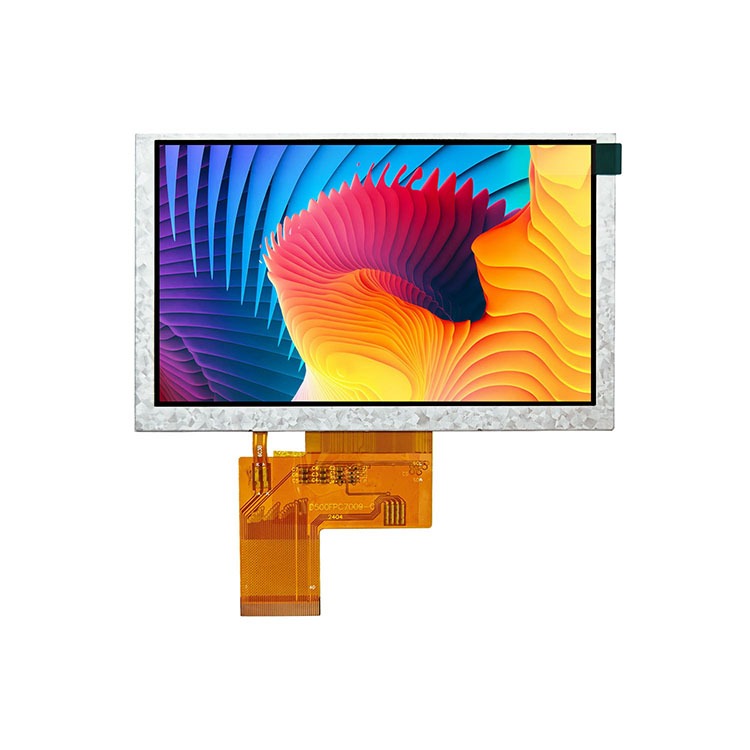
Match the display to your controller, enclosure and operating environment. Hicenda’s TFT LCD portfolio covers 0.96–23.8 inches. The specifications below describe the published ZX070009B21A reference model; other configurations require their own datasheet review.
| Parameter | ZX070009B21A Reference Model |
|---|---|
| Screen size | 7 inches |
| Technology | TFT LCD; normally white TN |
| Resolution | 800 × 480 pixels |
| Brightness | 400 cd/m² |
| Contrast ratio | 350:1 |
| Interface | 24-bit RGB |
| Touch | Resistive touch |
| Operating temperature | −10°C to +60°C |
| Storage temperature | −20°C to +70°C |
| Module outline | 165 × 100 × 3.5 mm |
| Active area | 154.08 × 85.92 mm |
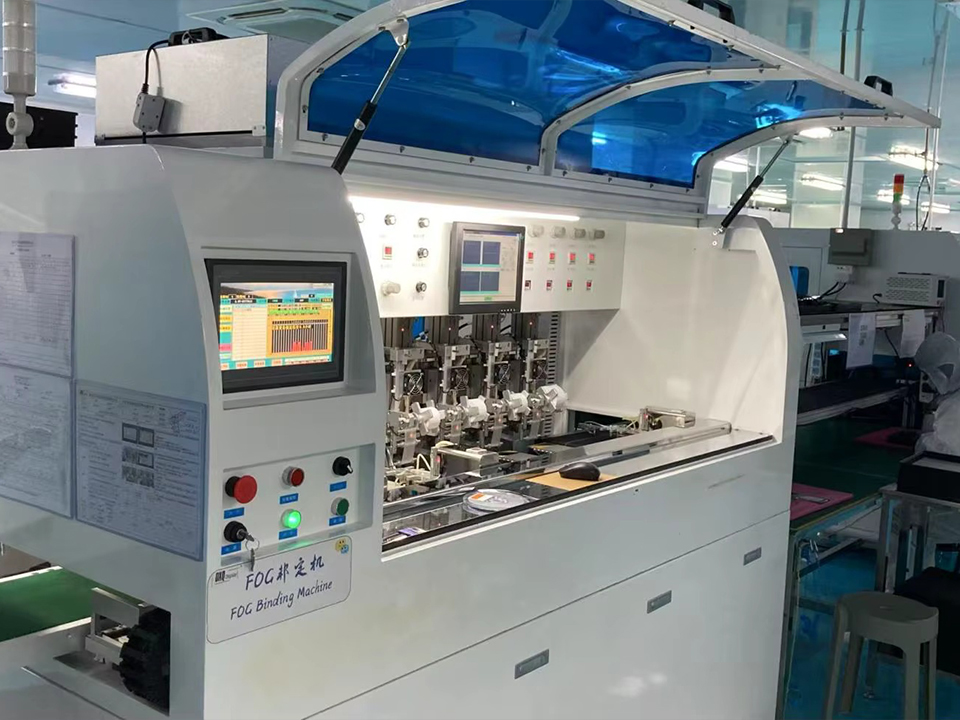
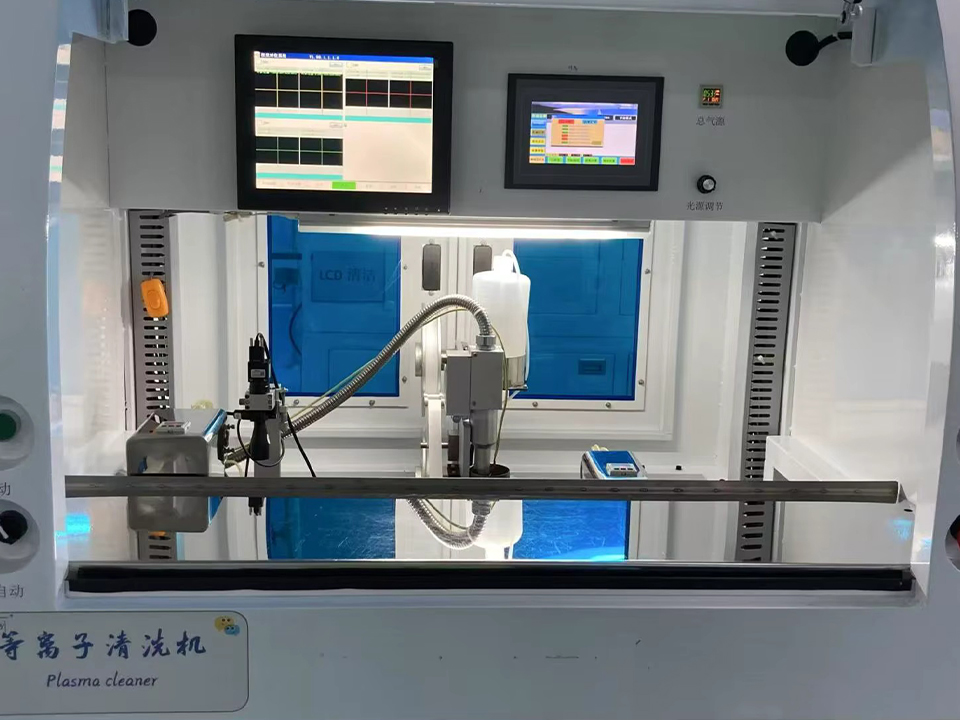
Explore Industrial HMI Display Modules for control panels, machine interfaces and embedded instruments. Compare size, resolution, brightness, interface and touch options, then send your shortlist for a technical review.
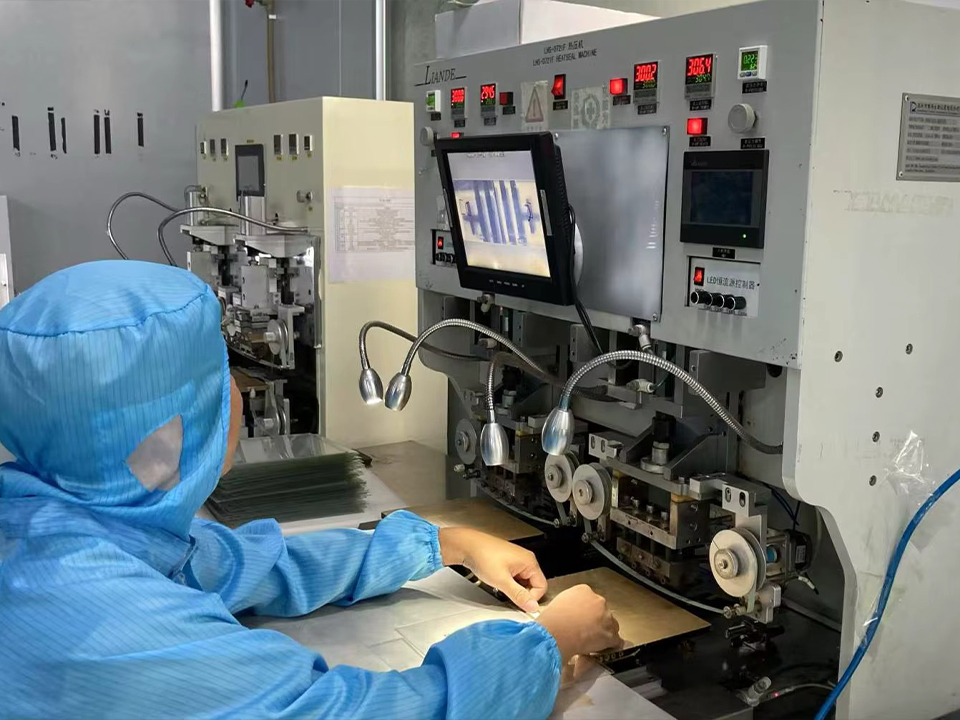
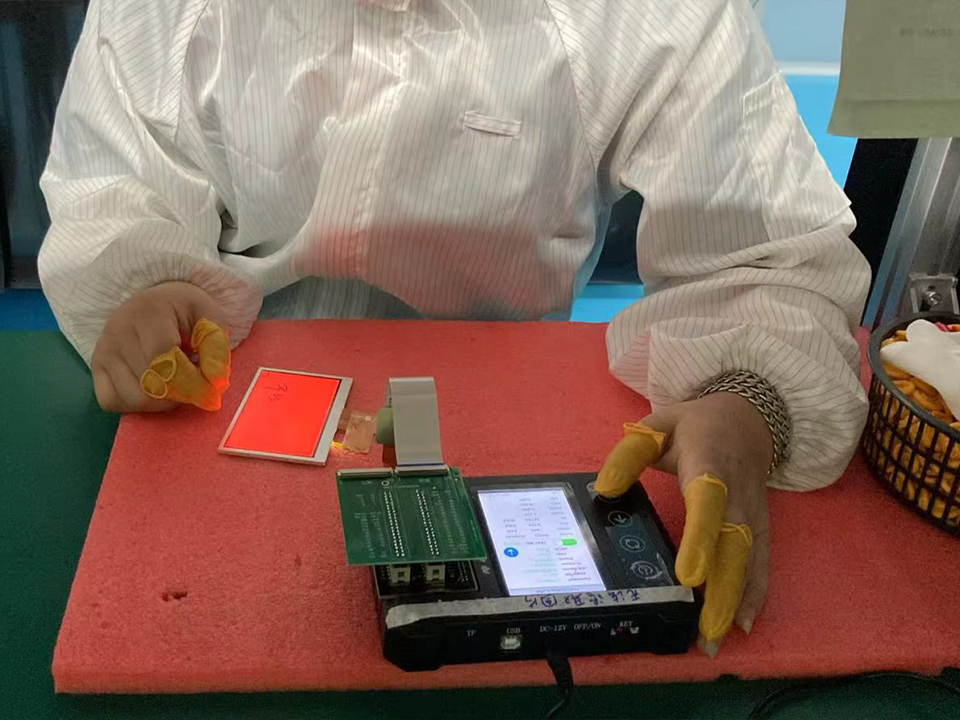
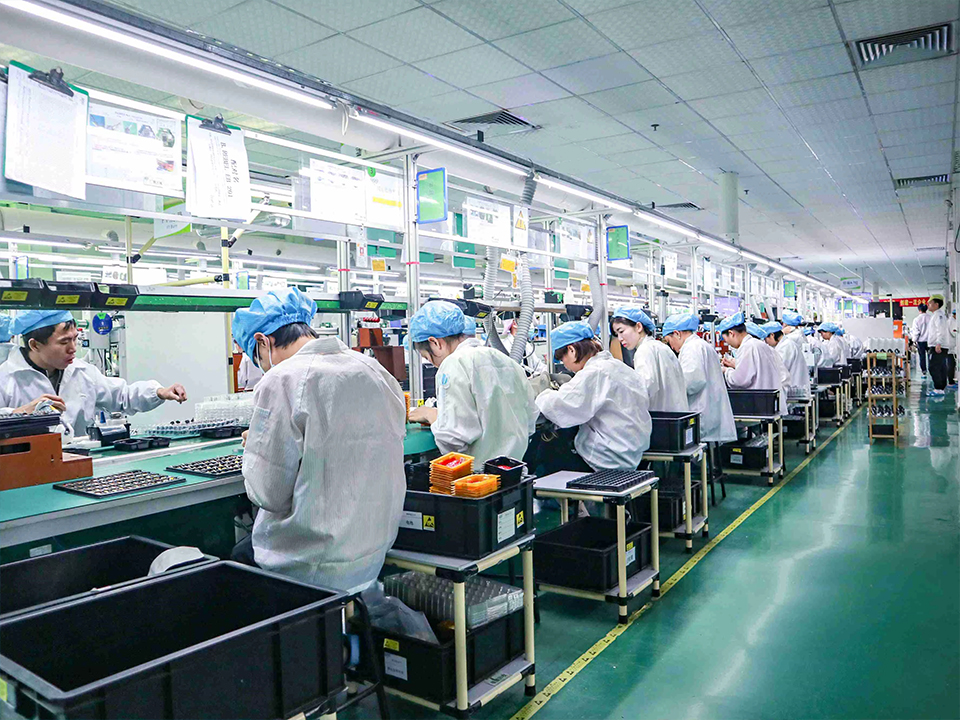
Hicenda provides TFT LCD displays with touch panel, FPC, backlight and driver board customization. Our engineers review mechanical dimensions, interface requirements and operating conditions to help match the display configuration to your equipment design.
A control cabinet, a CNC console and a portable instrument place different demands on the display. Start with where the screen sits, how operators interact with it and what happens around it during daily operation.
For fixed control panels: Match screen size, viewing direction and brightness to the operator’s working position.
For touch-operated equipment: Define touch target size, glove use and cleaning conditions before selecting the touch configuration.
For compact instruments: Review the viewing window, module thickness, connector position and cable routing together.
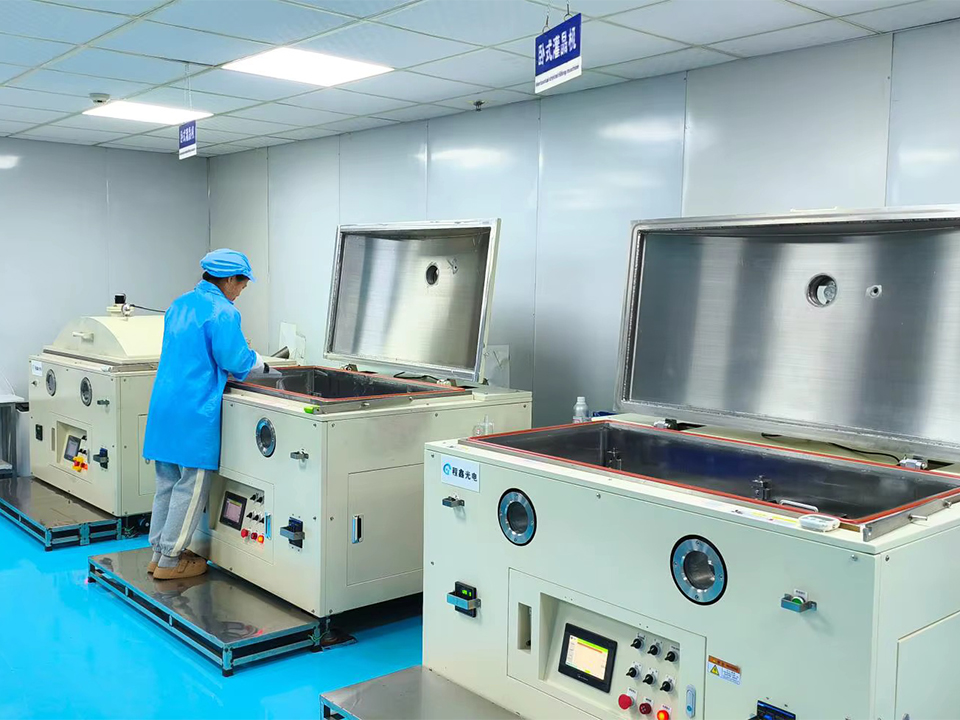
Hicenda supports new equipment development with display modules and customized integration options. Screen size, resolution, brightness and touch requirements guide module selection, while FPC layout and driver board configuration address the connection between the display, controller and enclosure.
Replacement display selection involves checking mechanical dimensions, interface timing, power requirements and touch compatibility. Existing module specifications provide the basis for comparison, while custom FPC and driver board options can be evaluated where the equipment’s connection layout or control architecture requires adaptation.
Find practical answers on display selection, customization, controller compatibility and production planning. Send your equipment requirements for guidance on a specific configuration.
Start with screen size, resolution, ambient lighting, operating temperature and controller interface. Then confirm mechanical fit, touch requirements, power consumption and expected availability. Evaluate a sample in the finished enclosure before approving the production configuration.
Compatibility depends on the PLC and display architecture. A bare TFT LCD module requires a compatible display controller and application software. A complete HMI may include the processor, software and industrial communications needed to exchange data with a PLC.
Water protection depends on the tested enclosure and installation. A bare display module should not be assumed waterproof. For a sealed control panel, request the applicable enclosure IP rating and confirm which surfaces and mounting conditions it covers. IEC 60529 defines enclosure protection classifications.
Provide the target screen size, resolution, brightness, interface, touch requirements, operating environment and mechanical drawing. Include sample quantities, annual demand, delivery destination and production schedule. For replacement projects, share the existing part number and datasheet.
Hicenda’s listed portfolio covers TFT LCD displays from 0.96–23.8 inches, PMOLED from 0.42–5.5 inches, AMOLED from 0.85–10.13 inches, and Micro AMOLED from 0.23–1.03 inches. Touch panels cover 0.96–23.8 inches. Availability and application suitability depend on the selected model.
Yes. Hicenda provides capacitive touch panel, flexible flat cable / FPC, high-brightness backlight and display driver board customization. Share your enclosure drawing, interface requirements, brightness target and installation conditions for a technical review.
Hicenda’s normal product support cycle is 5–10 years. Confirm the availability period, component revision policy and supply arrangements for your selected part number; the normal support cycle is not a fixed guarantee for every model.
Hicenda lists brightness testing equipment, high- and low-temperature environment testing equipment, and hardness testing equipment. Ask which tests apply to your module, including the test conditions, sample quantity and acceptance criteria.
Minimum order quantity and lead time depend on the display model, customization scope, component availability and order volume. Include sample quantities, annual demand and your target production date when requesting a quotation.
Hicenda’s policy requires legally responsible sourcing and continued supplier disclosure of the origin of tantalum, tin, tungsten and gold, known as 3TG. Suppliers have reported sourcing from local Chinese mines. Request current sourcing information for your project; this policy is an ongoing commitment rather than a blanket product certification.
Send your display specifications, drawings and estimated annual quantity to start a technical and commercial review. Request a quotation covering the proposed module, sample pricing, minimum order quantity, production lead time and wholesale pricing tiers.