Get Fast Support From Our Sales Team
Get Fast Support From Our Sales Team
Need product information, quotation, samples, or delivery details? Our sales specialists will help you select the right TFT, OLED, AMOLED, or custom display solution.

Light precedes. When an LCD dashboard looks penalty on the bench and rinses as soon as it’s mounted, I ‘d examine the angle, the cover glass, and the reflected light prior to asking the distributor to price estimate a brighter panel, due to the fact that all three affect what the driver can in fact read. What good is a larger illumination number if the warning message disappears from the motorist’s seat?
A gray ramp viewed from the placing placement can reveal a change in tone that makes bordering shades on a diagnostic screen difficult to differentiate.
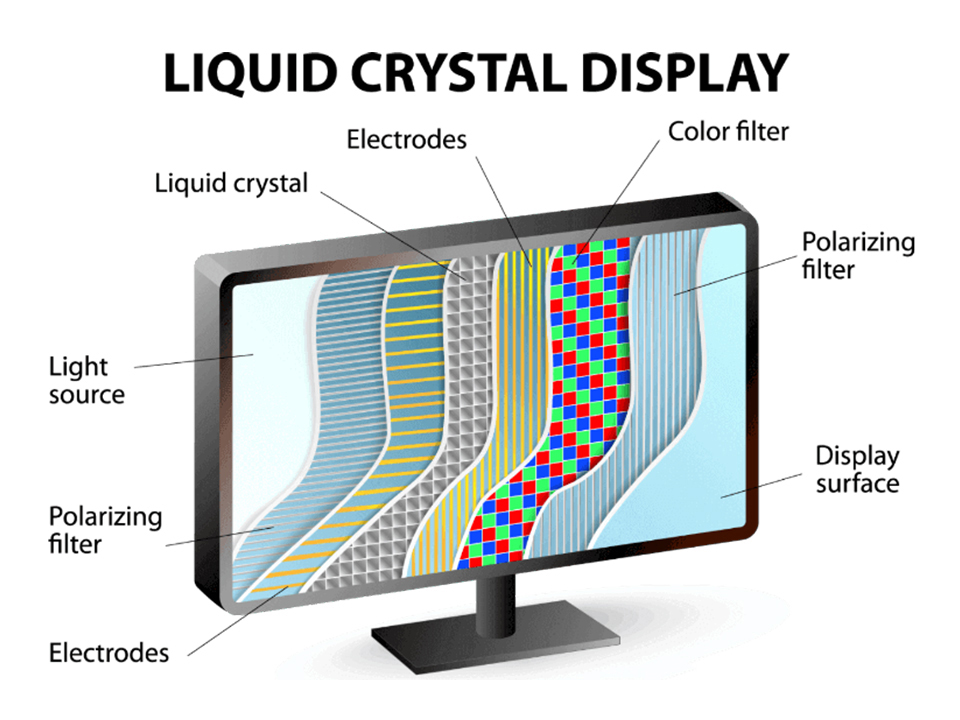
A standard transmissive liquid crystal display screen starts with a backlight. Light go through a rear polarizer and a thin layer of liquid crystal molecules that alter alignment under an electrical field. That adjustment alters the polarization of the light, so the front polarizer allows essentially of it via. In a common color LCD, red, eco-friendly, and blue filters offer the subpixels their colors. Varying the light transferred by each subpixel provides us the shades we see. Reflective LCDs can make use of ambient light instead of a backlight.
A TFT LCD utilizes an active matrix. A thin-film transistor allows the panel address an individual subpixel, and the pixel circuit holds its voltage between refreshes. TFT defines the electric attending to, while IPS, VA, and TN explain exactly how the fluid crystals are prepared and switched over. An IPS panel can consequently additionally be a TFT LCD. If a quote notes “TFT” as the panel kind, I would certainly ask the vendor to define the fluid crystal setting.
Edge-lit styles feed light in from the border via a light guide. Direct-lit layouts put the LEDs behind the panel. A full-array backlight with neighborhood dimming can readjust groups of LEDs independently, minimizing light behind dark parts of the photo. If a little bright object shares an area with a dark background, several of that light can spill right into the background and produce a visible halo. Subtitles over a dark scene are a quick method to see it.
An October 2024 study in Optics and Lasers in Engineering used a 55-inch 4K LCD model with 2,304 mini-LED backlight zones to review a local-dimming formula. A 3,840 × 2,160 photo has 8,294,400 pixels, which works out to one backlight zone per 3,600 pixels generally. The LCD still regulates light at the subpixel level. The backlight makes a much coarser choice, so I ‘d compare two collections with the very same area count making use of the very same scene and picture settings.
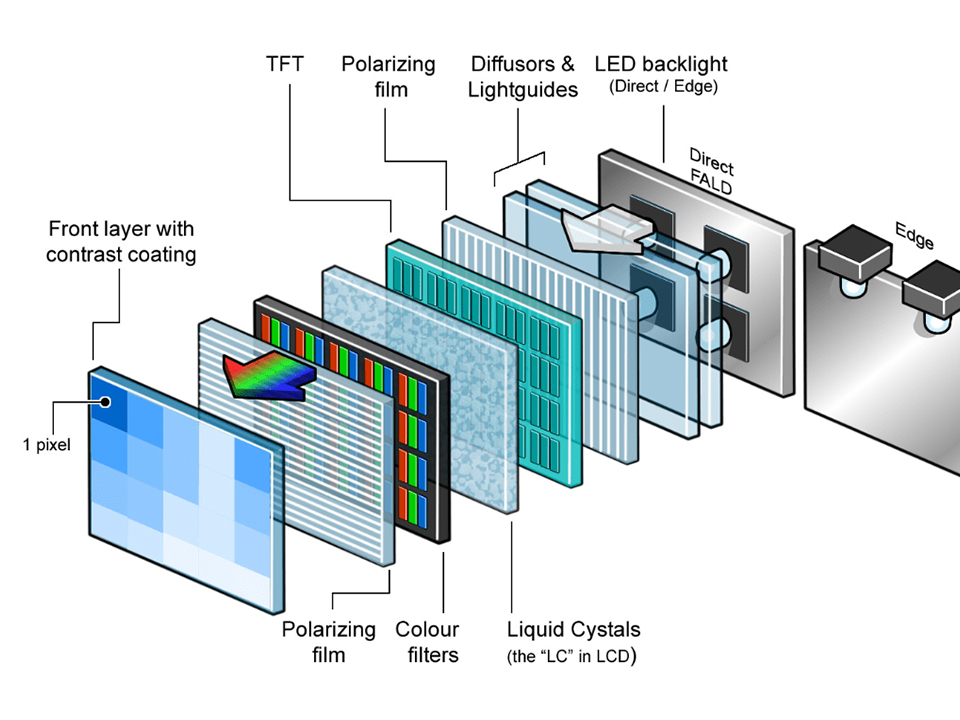
A normal transmissive LCD component consists of the panel, display motorist electronic devices, a backlight, and a flex link. A touch sensor, cover glass, backlight vehicle driver, or controller board may be consisted of, depending upon the setting up. Ask for a drawing that determines every layer, the energetic and seeing areas, the flex leave, the port orientation, and the maximum put together density.
Two AMOLED listings illustrate just how module packages vary. The 5.5-inch MIPI AMOLED component with the RM67198 driver offers you a display-side interface and motorist to certify. The 5.55-inch HG5.55 AMOL screen with an HDMI board explains a package with a board for the host link. I ‘d check the board drawing prior to developing the room.
I cross-checked the product examples against public catalog and representative listings. The provided WordPress web pages were inaccessible for a live check.
Beginning with the installed viewing problems. Write down the checking out range, anticipated ambient light, called for straight and upright angles, and running temperature array. Request luminance gauged with the desired touch and cover-glass stack, then check a sample at the angle where the hardest-to-read info will show up. Try small text in daylight on a portable terminal or a gray icon viewed from below on a wall-mounted controller.
Qualify the display screen interface and the touch system individually. For MIPI DSI, verify lane count, timing, video clip or command mode, supported pixel format, power sequencing, and the panel’s initialization commands. Validate the port pinout from the illustration. A 5-inch 720 × 1,280 AMOLED touch screen with MIPI DSI and the RM69052 motorist shows the point. The display link and driver are identified in the listing. Qualify the touch controller, its host link, and its interrupt habits as well.
Rate the mounted setting up. Include the backlight power spending plan at the target brightness, any type of adapter board, mechanical installing, touch and cover glass, and the firmware job to bring the display up. For repeat orders, ask which optical and electrical resistances the distributor warranties and what happens when the panel or vehicle driver revision adjustments. I ‘d pay even more for a documented modification plan on a five-year program than for an illumination improvement the user can barely see.
Apple put 2 display screen styles into its May 2024 tablet lineup. The 11-inch iPad Air with M2 started at $599 in the U.S. and used a 2,360 × 1,640 LED-backlit IPS present ranked at 500 nits. The 11-inch iPad Pro with M4 began at $999 and made use of tandem OLED, which Apple ranked at 1,000 nits full-screen and 1,600 nits peak for HDR. Those costs cover complete tablet computers. The illumination figures tell you more when you keep the measurement problems connected to them.
On September 26, 2024, Reuters reported that LG Show consented to market its 80% stake in a Guangzhou LCD panel plant and its 100% stake in an LCD component plant to TCL’s CSOT for 10.8 billion yuan, regarding US$ 1.54 billion at the time. That difference between panel production and component setting up issues on a purchase order. Ask who makes the panel, that constructs the component, and that can approve a substitute when your part goes out of manufacturing.
Near-eye optics produce an additional collection of restrictions. The Sony ECX335SN-6 0.71-inch 1080p AMOLED microdisplay is detailed at 3,000 cd/m ² common at the panel. For a waveguide style, I ‘d request luminance at the eye under the designated drive problems because the optical path can shed a lot of the light.
Compare examples behind the desired cover glass and from the widest angle an operator will certainly use. Panel type provides you a starting point for off-axis habits. The installed example informs you whether the operator can still identify the tones, text, and standing shades the interface relies upon.
| LCD panel kind | Where I would certainly start | Compromise to inspect | Examination before authorization |
|---|---|---|---|
| IPS (in-plane changing) | Shared displays, angled controls, and job where colors need to remain constant | Off-axis radiance in dark scenes and actual black degree | Gray ramps and a dark photo from both sides and listed below |
| VA (upright alignment) | Front-facing displays where dark-room comparison matters | Modifications in midtones as the visitor relocates off-axis | Dark actions head-on and at the best anticipated angle |
| TN (twisted nematic) | Fixed-position presents with a tight spending plan or a certain motion requirement | Shade and comparison changes, particularly up and down | Little message and grayscale at the installed elevation and tilt |
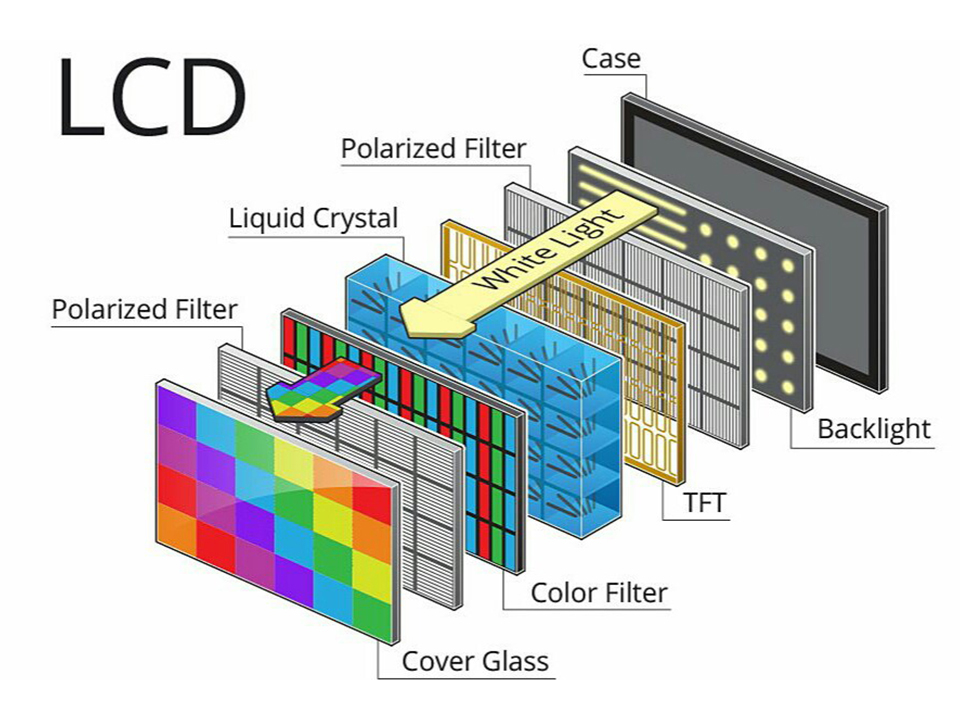
A liquid crystal screen, or LCD, is a flat-panel screen that creates a photo by electrically transforming the orientation of fluid crystal particles in between polarizers, therefore managing how much light from a backlight or an ambient source of light gets to the audience with each picture component. In a normal shade LCD, filters provide the red, green, and blue subpixels.
A TFT LCD is an active-matrix liquid crystal show that makes use of thin-film transistors to deal with individual subpixels, allowing each subpixel’s voltage to be established and held between refreshes so the panel can duplicate great detail, intermediate illumination degrees, and quickly transforming photos throughout a dense grid. An IPS, VA, or TN panel can utilize TFT attending to.
IPS is usually the best LCD panel type for wide seeing angles due to the fact that its in-plane changing structure has a tendency to protect shade and tonal consistency when the screen is seen from the side, above, or below, which matters when numerous individuals share a display screen or when installing solutions the angle. Examine shade and gray-level changes on the mounted example. A datasheet’s viewing-angle cutoff might correspond to a comparison proportion of 10:1.
A mini-LED display is an LCD when the mini-LEDs illuminate a fluid crystal panel from behind, with teams of LEDs managing the light available in various components of the image while the liquid crystal layer manages transmission at the private subpixels. When you compare models, examine what the dimming does to tiny highlights and dark detail in the very same scene.
Selecting an LCD module for an embedded device suggests matching the complete display screen assembly to the host interface, enclosure, power spending plan, and watching conditions, then confirming those demands on a depictive example with the designated cover glass, touch sensor, firmware, and mechanical placing in position. Freeze the distributor’s component number and alteration after the example passes your acceptance tests.
Send your vendor the energetic location, resolution, host user interface, temperature array, and checking out placements. Ask for a datasheet, initialization series, and evaluation sample. Before dedicating to the production order, run the example with your hardest viewing, start-up, and thermal problems.
Leave Your Comments