Get Fast Support From Our Sales Team
Get Fast Support From Our Sales Team
Need product information, quotation, samples, or delivery details? Our sales specialists will help you select the right TFT, OLED, AMOLED, or custom display solution.

A TFT LCD develops a picture by creating voltages to subpixels and regulating just how much backlight goes through red, eco-friendly, and blue filters. Follow that procedure from the transistor to the ended up image, then see how to review shade, comparison, and module compatibility before defining a screen.

TFT LCD is a functional option for full-color interfaces and fixed control panels, but backlight power, representations, and seeing angle can transform the choice. This guide contrasts TFT LCD with OLED and reveals what to gauge before dedicating to a panel.
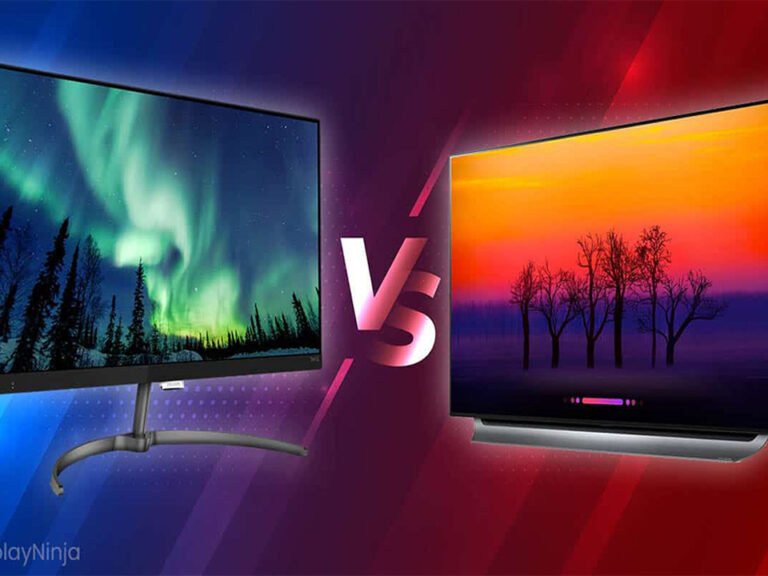
A TFT LCD IPS display screen combines transistor-controlled pixels with a fluid crystal style that keeps the photo much more consistent off-axis. We damage down the panel labels, examine 2024 arise from Apple and Dell, and reveal what to verify prior to you accept a screen.

The primary benefit of a TFT display is exact pixel control, which supports sharp text, full-color graphics, and smooth motion. We compare TFT LCD with OLED and describe what to gauge when choosing a panel for a real item.

A TFT screen uses tiny transistors to manage specific subpixels, but that label alone tells you little regarding just how the finished display will look or act. This guide discusses the modern technology, examines three real-world examples from 2024, and shows how to review 5 TFT LCD components.

A TFT LCD makes use of thin-film transistors to control its subpixels and a backlight to make the photo noticeable. Its benefits are best when the panel, user interface and optics fit the item.